Varicose and spider veins are common concerns that can affect both the appearance and health of your legs. For many, these visible veins are more than just a cosmetic issue; they can cause discomfort, pain, and even more serious complications if left untreated. If you’re considering vein treatment, you might be wondering: how do I know if I’m a good candidate? Let’s break it down.
Understanding Vein Problems
Veins play a critical role in circulating blood back to your heart. However, when valves in the veins weaken or fail, blood can pool, leading to varicose or spider veins. Common symptoms include:
- Visible, bulging veins (varicose veins) or thin, web-like veins (spider veins)
- Aching or heavy legs
- Swelling, particularly in the lower legs or ankles
- Itching or irritation around the affected veins
- Skin discoloration or thickening near the veins
These symptoms can worsen over time, making early evaluation crucial.
Are You a Candidate?
Here are some factors that may indicate you’re a good candidate for vein treatment:
- Visible Veins: If you have prominent varicose or spider veins, you might benefit from treatment. Even if they don’t currently cause discomfort, addressing them early can prevent future complications.
- Discomfort or Pain: Persistent aching, throbbing, or heaviness in your legs could be a sign that vein treatment is necessary.
- Swelling and Skin Changes: Chronic swelling, skin discoloration, or sores near the veins often point to advanced vein disease, making treatment more urgent.
- Family History: A family history of vein problems increases your likelihood of developing them. If you’ve noticed early signs, proactive treatment can help.
- Lifestyle and Occupation: Jobs or lifestyles that require prolonged standing or sitting can exacerbate vein problems. If you’re in this category and experiencing symptoms, you’re likely a good candidate.
- Failed Conservative Treatments: If lifestyle changes, compression stockings, or other non-invasive measures haven’t alleviated your symptoms, medical vein treatment may be the next step.
When to Consult a Specialist 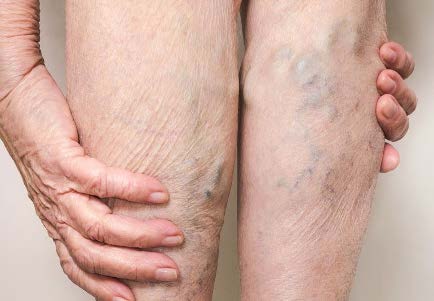
It’s always best to consult with a vein specialist to assess your specific condition. As this is a chronic progressive disease, its important to consult a specialist early. During your consultation, the doctor will:
- Review your medical history and symptoms
- Perform a physical examination
- Use ultrasound imaging to evaluate the underlying vein function
Common Vein Treatment Options
Depending on your diagnosis, a specialist may recommend one or more of the following treatments:
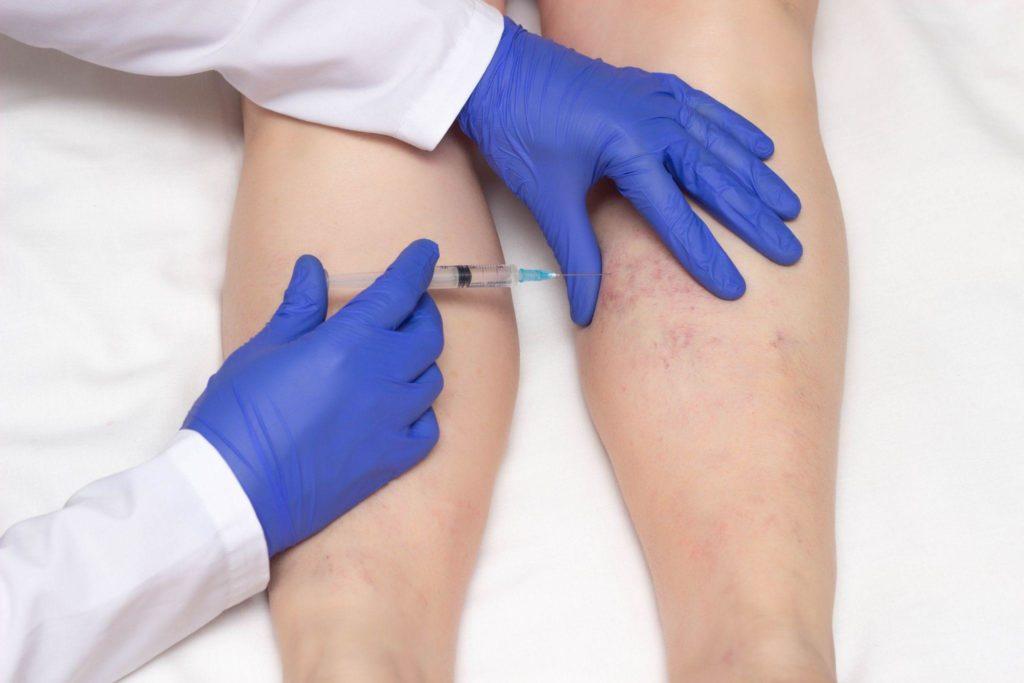
- Sclerotherapy: A minimally invasive procedure where a solution is injected into the vein to close it.
- Endovenous Laser Treatment (EVLT): A laser is used to seal off problem veins.
- VenaSeal: A medical adhesive is used to seal the vein, providing a minimally invasive alternative to heat-based treatments.
- ClariVein: A catheter-based procedure that uses a combination of mechanical and chemical methods to close the vein.
Benefits of Treatment
Treating vein problems can lead to the following:
- Reduced pain and discomfort
- Improved leg appearance
- Prevention of complications like ulcers or blood clots
- Enhanced mobility and quality of life
If you’re dealing with varicose or spider veins, don’t ignore the signs. Whether for cosmetic reasons or to improve your health, vein treatment can offer significant benefits. Schedule a consultation with a vein specialist to determine if you’re a candidate and explore the best treatment options for you.
Contact us!
At Canada Vein Clinics, we specialize in the treatment of varicose veins. We offer numerous state-of-the-art treatments for this condition to help you find the best treatment. Book a consultation to find out more information! Give us a call today at 1-888-876-8346, or email us at askdoctor@canadaveinclinics.ca.